Gaushala, June 20, 2026
Climate change has emerged as one of the most pressing global challenges of our time. It not only affects human health but also poses significant threats to entire ecosystems. Forests, rivers, mountains, biodiversity, agricultural lands, and watersheds are increasingly experiencing the impacts of climate change. As environmental balance continues to deteriorate, serious physical, mental, and social health challenges are becoming more evident. Nepal is no exception to these impacts, and children are among the most vulnerable groups. Their developing physical, mental, and social capacities, combined with inadequate access to nutrition, sanitation, and uninterrupted education during disasters, place their future at considerable risk. Since children spend most of their time in schools, promoting climate change adaptation and disaster risk reduction at the school level has become increasingly important.
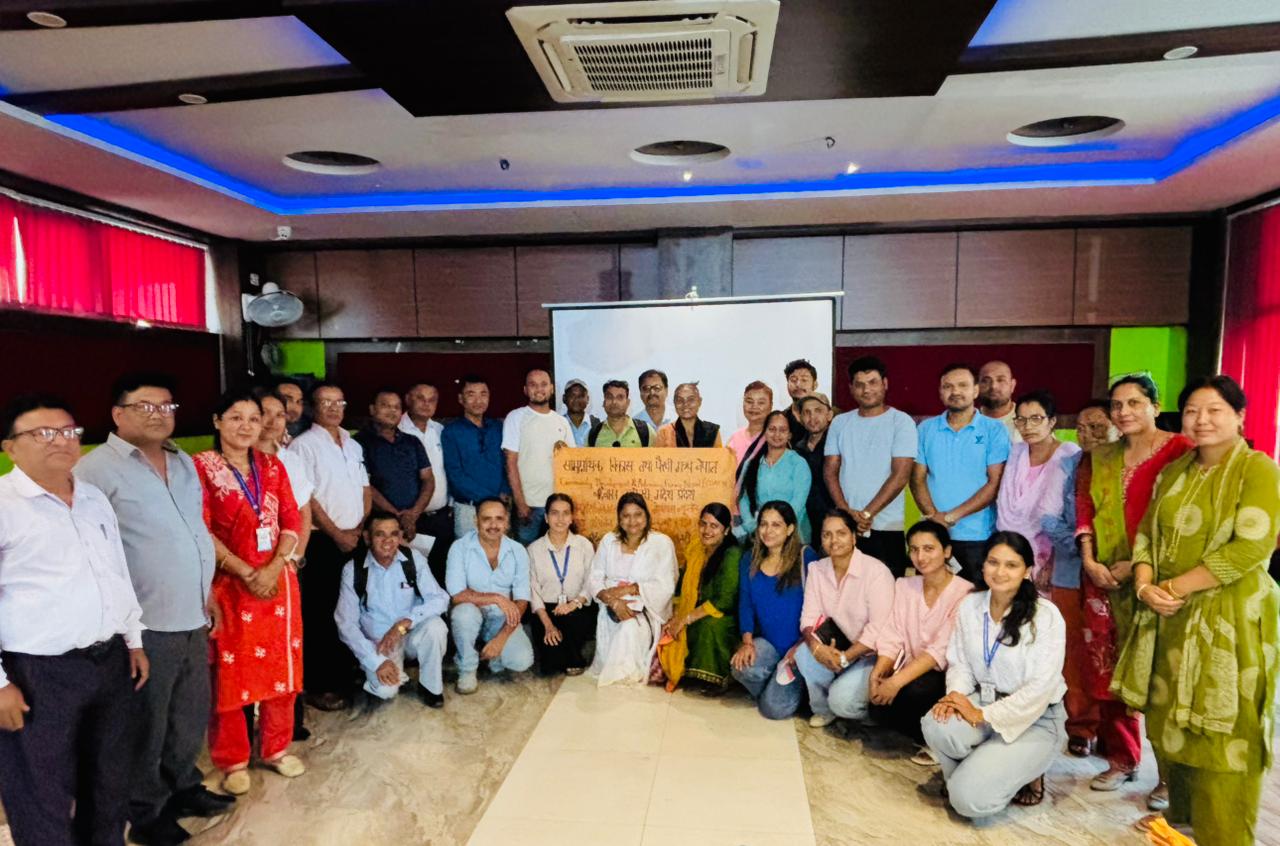
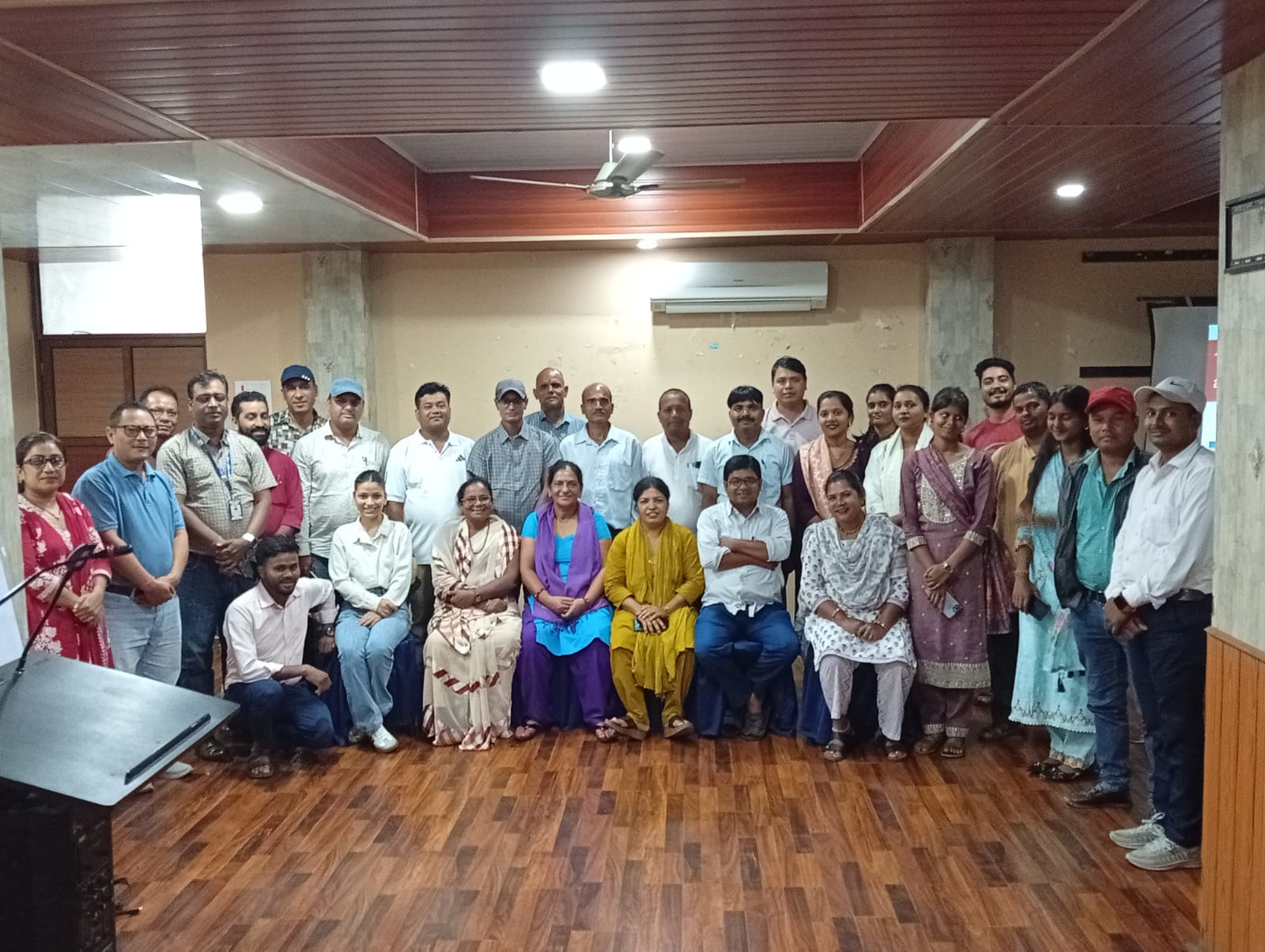
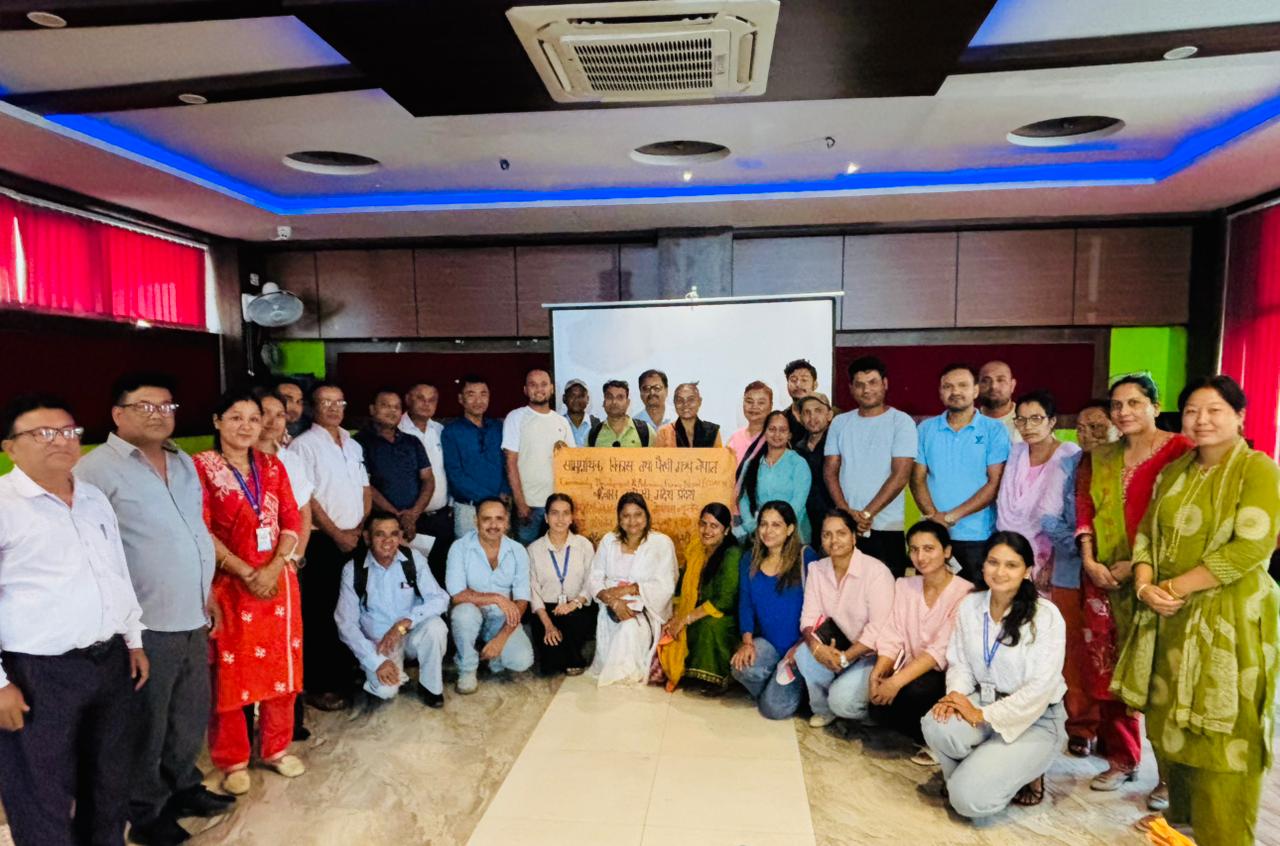
In this context, a one-day training on Disaster Risk Reduction (DRR) and Climate Change Adaptation (CCA) was conducted on June 20, 2026, at Vinayak Banquet Hall, Bardibas Municipality–1, Mahottari District.
The training was organized under the SDRC Project, implemented in coordination with Bardibas Municipality and Mithila Municipality, with financial support from BMZ and Caritas Germany and technical support from the Community Development and Advocacy Forum Nepal (CDAFN), Bardibas.
The program was attended by Ms. Tara Devi Mahato, Deputy Mayor of Bardibas Municipality, as the Chief Guest, while Ms. Sita Kafle, Head of the Education Section of Mithila Municipality, participated as the Special Guest. Other distinguished participants included Mr. Nagadev Yadav, Chairperson of CDAFN; Mr. Som Bahadur Karki, Vice-Chairperson; Mr. Kedar Koirala, Chairperson of the Advisory Committee; Ms. Niru Waiba, Secretary; Ms. Deepa Thakuri, Treasurer; Mr. Suman Khadka, Program Coordinator; along with other staff members and stakeholders.
The training was facilitated by Mr. Laxmi Prasad Bhatt, Executive Director of CDAFN, while Ms. Sonika Poudel, Project Coordinator, served as the co-facilitator. The program was moderated by Mr. Krishnadev Sunarait Yadav, Manager of CDAFN.
A total of 25 teachers from secondary schools in Bardibas and Mithila Municipalities participated in the training. The sessions covered key concepts and terminologies related to climate, weather, disasters, greenhouse gases, adaptation, and mitigation, as well as the scientific basis of climate change. Participants also engaged in discussions on school risk and capacity assessment, community-based disaster risk reduction, local disaster management planning, the Green School Guideline 2075 (2018), the Green School concept, integration of climate education into school improvement plans, curricula and extracurricular activities, Chure conservation, and the Sustainable Development Goals (SDGs).
Throughout the training, participants developed a shared understanding of the disaster management cycle, including mitigation, preparedness, response, and recovery. They emphasized the need for schools to integrate climate education into teaching and learning processes, conduct awareness-raising activities, prepare disaster response plans, and promote environmentally responsible behavior among students.
The program concluded with participating teachers expressing their commitment to providing climate education in their respective schools and promoting practical climate adaptation measures, contributing to the development of safer, greener, and more resilient learning environments.
प्रतिक्रिया
सम्बन्धित समाचार